

Vitamin D deficiency may increase the risk of severe COVID-19 or raise the mortality rate.
Vitamins are essential elements for humans, with common examples including vitamins A, B complex, and C. Many people believe that consuming more of these nutrients can effectively boost immunity and help fight COVID-19. But it turns out that vitamin D is also very important!
A study from Bar-Ilan University in Israel indicates a correlation between vitamin D deficiency and the severity and mortality rate of COVID-19. So, what exactly is the role of vitamin D in the human body?
This study analyzed 1,176 COVID-19 patients and found that those deficient in vitamin D (below 20 ng/mL) were 14 times more likely to develop severe illness after infection than those with vitamin D levels above 40 ng/mL. Furthermore, the mortality rate was 2.3% for patients with adequate vitamin D levels, but a staggering 25.6% in the vitamin D-deficient group.
Experts at Bar-Ilan University School of Medicine in Israel pointed out that the research results prove the importance of vitamin D, and maintaining sufficient vitamin D has many benefits for the proper immune response to respiratory diseases, especially during the COVID-19 pandemic, when vitamin D is even more important.
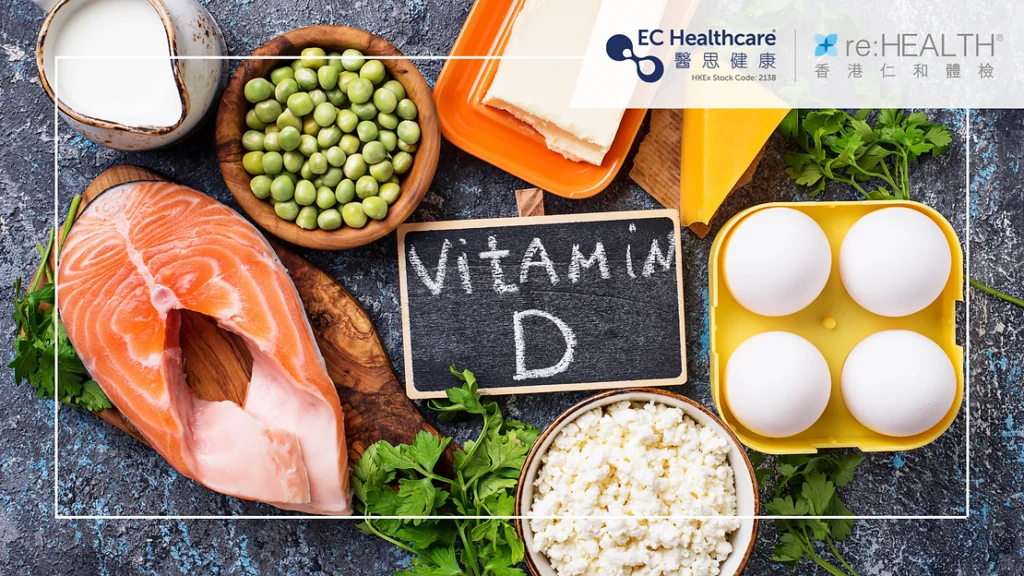
Benefits of Vitamin D
Vitamin D itself has the effects of protecting bones, regulating the immune system and reducing inflammation, and can activate immune cells to attack foreign invaders, such as bacteria and viruses.
How to get vitamin D?
Sunbathing: When skin is exposed to specific wavelengths of ultraviolet light (290-315nm) from sunlight, it promotes the synthesis of vitamin D3. 30 minutes of sun exposure a day, covering the limbs and face, is sufficient, but avoid midday to prevent sunburn.
Plant sources: mushrooms, dried shiitake mushrooms, button mushrooms, black fungus.
Animal sources: deep-sea fish, dairy products, egg yolks.
Maintaining a balanced diet is essential to combating the coronavirus.
While research hasn't confirmed whether vitamin D directly affects severe illness, numerous studies have demonstrated that adequate vitamin intake is an effective way to prevent and fight viruses. Prevention is better than cure; consuming sufficient nutrients to strengthen the body is the best treatment. This is especially important for those already infected and diagnosed; maintaining a balanced diet during recovery and undergoing regular checkups after recovery are crucial to prevent long-term health problems and avoid any lasting effects.
